
Sewage ejector pumps
A residential sewage ejector typically lifts waste from low fixtures up to a gravity drain. A solids-handling model, such as Liberty’s LE50, passes waste through the impeller without grinding. Many homes have a sealed indoor basin serving a below-grade bathroom, but the equipment and location vary.
This page is the plain-English guide: what an ejector is, how it works, how it differs from a grinder pump and a sump pump, what the code requires, and what makes one last. The repair and installation pages hang off it.
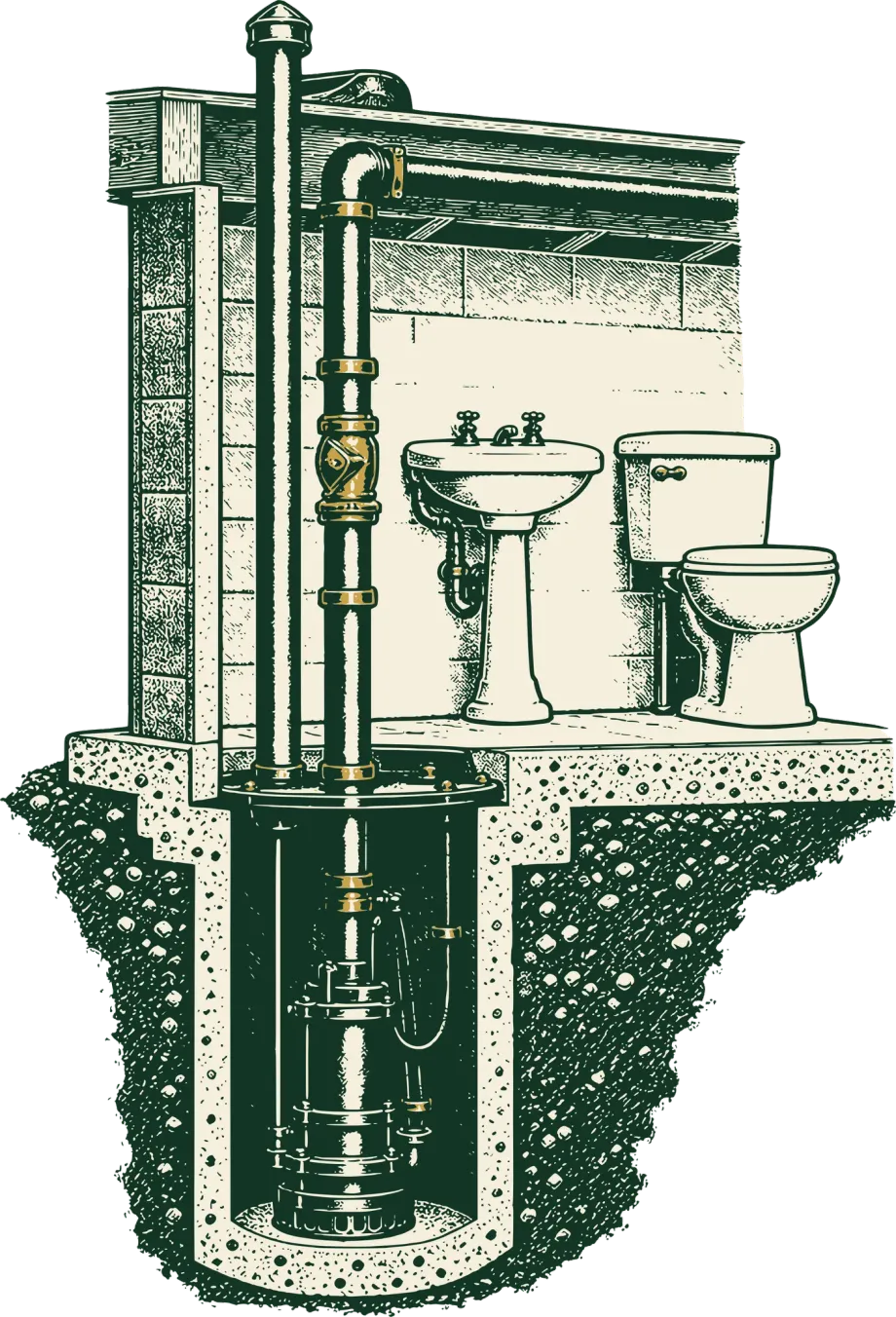
Plate LXVI. The house in section. Those above stairs depend on the one below, as in any good household.
Start here
- Sewage ejector pump repairFloats, check valves, lids, vents, alarms and pump replacement for indoor basins, with the breaker off and the room vented.
- Sewage ejector pump installationNew and replacement ejector systems to the residential code: gas-tight basin, 2 inch solids pump, check valve, shutoff, vent and alarm.
- Sewage ejector pump problemsAlarm on, pump running without pumping, smell in the room, float stuck: what each symptom means and what to do first.
What a sewage ejector pump is
Picture a bathroom in a garage apartment whose drain sits lower than the pipe running to the street. Water will not flow uphill, so the drain empties into a basin in the floor. A pump in that basin lifts the waste through a 2 inch pipe up to the house drain, and from there it flows by gravity to the sewer or, if the house has one, to the grinder station outside. The basin has a gas-tight cover, a vent to the roof, a check valve so the lifted waste cannot fall back, and a float that tells the pump when to run. Zoeller's residential packages, for example, come as a 30 or 41 gallon basin with a 4 inch inlet, a 2 inch discharge and the check valve sold alongside.
How an ejector pump works
Waste enters the basin through the inlet. As the level rises it lifts a float on a tether; at the on point the float closes a switch and the pump starts. The pump's impeller, built with wide passages, pushes water and solids up the discharge through the check valve and the open shutoff valve into the house drain. The level drops, the float falls to the off point, and the pump stops. The check valve holds the column of water in the discharge so the basin does not refill from its own pipe. If the pump fails and the level keeps rising, a second float or a separate sensor sounds an alarm; Zoeller's indoor APak alarm runs on battery backup so it still works when the pump circuit is dead.
The residential code adopted in Alabama fixes the sizes: a sump of at least 18 inches diameter and 24 inches depth, covered gas-tight, a pump that passes 2 inch solids when a toilet drains to it, a check valve and a full-open valve on the discharge, and at least 21 gallons a minute through a 2 inch pipe.
Ejector pump, grinder pump, sump pump
A grinder pump lives outside in a buried tank, grinds everything to a slurry, and pushes it through a small pressure line into a pressure sewer main shared with the neighbors. It exists because the whole house cannot drain by gravity, and the sewer utility usually has a rule about who owns and installs it. An ejector lives inside, passes solids without grinding, and lifts a few fixtures a short distance into the house's own drain. A sump pump handles clean ground water from a pit and must never be connected to the sewer at all. The comparison guide goes through the three in detail. One warning from the grinder side applies to all of them: Zoeller's advice against grinder pumps in septic systems.
What makes an ejector pump last
The manufacturers' instructions are short and worth following.
- Inspect every three months, per Zoeller's sewage system instructions, and clean the basin yearly.
- Keep wipes, rags, grease and feminine products out of the fixtures that feed it. An ejector passes 2 inch solids; it does not grind, so anything that does not break down wraps the impeller.
- Keep the cover gas-tight and the vent clear. A cracked cover means sewer gas in the room; a blocked vent means a pump that cannot drain the basin properly.
- Make sure the check valve points away from the basin and seats. Liberty lists a pump that runs periodically with no water being used as a check valve problem.
- Run a pump that sits idle, in a seasonal home, through a cycle monthly; Liberty gives that advice for its grinder pumps to keep the seals lubricated.
- Fit an alarm on its own power so a dead pump circuit still gets noticed.
Common questions, answered briefly
Battery backup: a battery can keep an alarm sounding, as Zoeller's APak does, but a sewage pump draws too much to run long on a small backup; the practical plan is an alarm with battery backup plus a generator connection if outages are common. Above-ground systems: packaged ejector units that sit on the floor rather than in it exist for garages and workshops, and are built the same way with a sealed tank. Duplex and commercial ejectors: two pumps alternating in a larger basin for a restaurant or a building; residential work is what this company has confirmed. A red light on a sewer pump panel: on an indoor alarm it is the high level warning; on an outdoor grinder panel it can be high level or a seal-leak sensor, which the problem pages cover.
Questions people ask
What does an ejector pump do?
It lifts sewage from fixtures that sit below the house's drain line up to that line, so a low bathroom, laundry or kitchen can drain. Everything above the line keeps draining by gravity without it.
How long does a sewage ejector pump last?
The manufacturers do not publish a lifespan figure that we would quote, and the honest answer is that it depends on what goes down the drain. A basin fed only with toilet paper and water outlasts one fed wipes and grease by years. Quarterly inspection, per Zoeller, is the cheapest way to extend it.
Is an ejector pump the same as a sewer pump?
In household use, yes. Sewer pump, sewage pump and sewage ejector pump all mean the indoor pump in a sealed basin. A grinder pump is different: it grinds and pushes to the street under pressure.
Does a sewage ejector pump need maintenance?
Zoeller's instructions say to inspect every three months. In practice that means checking the float moves freely, the check valve seats, the cover is gas-tight, the vent is clear and the alarm works, plus a yearly basin cleaning.
Do the sewer utility's grinder rules apply to my ejector?
No. An ejector discharges into your own gravity drain inside the property. The utility rules on this site are about grinder stations connected to pressure sewer mains. The building department's plumbing permit is the approval an ejector needs.
Sources and facts
- IRC P3007: sump at least 18 by 24 inches with a gastight cover; 2 inch solids for ejectors receiving water closets; check valve and full-open valve; 21 gpm minimum on a 2 inch discharge. Adopted for Alabama residential plumbing by rule 720-X-1-.02. 2021 International Residential Code, Section P3007 Sumps and Ejectors (text via up.codes), up.codes/…; Alabama Plumbers and Gas Fitters Examining Board rule 720-X-1-.02 (2021 IRC adopted for residential plumbing), admincode.legislature.state.al.us/… (read 2026-11-04)
- Zoeller 912 residential ejector systems: 30 and 41 gallon basins, 4 inch inlet, check valve sold separately, APak indoor alarm 86 dB with battery backup. Zoeller 912 residential sewage ejector systems manual, manuals.plus/… (read 2026-11-04)
- Zoeller sewage system instructions: 2 inch discharge, check valve arrow away from the basin, 2 inch vent to the vent system, inspect every 3 months. Zoeller pre-plumbed sewage system instructions, zoellerathome.com/…; Zoeller sewage pump instructions SW1316, zoellerathome.com/… (read 2026-11-04)
- Liberty sewage pump troubleshooting: runs periodically without water being used indicates the check valve. Liberty Pumps P380/P680 sewage pump manual 1167000A, www.libertypumps.com/… (read 2026-11-04)
- Liberty: pumps idle more than one month should be run through the breaker monthly to lubricate the seals. Liberty Pumps Installation Manual 2399000E, ProVore 1 HP Residential Grinder Pumps, www.libertypumps.com/… p.4 (read 2026-11-04)
- Zoeller does not recommend using grinder pumps in any part of a septic system. Zoeller FM2903 Installation and Service Instructions, 803/805/807 Grinder Pumps, zoellerpumps.com/… p.1 (read 2026-11-04)
- Grinder pumps discharge into pressure sewer mains; E-One requires a check valve between the station and the street main and the utilities set ownership and installation rules. E/One DH071 Drawings, Universal Wet Well (NA0050P01 Rev E), eone.com/… p.1; BCSS, Grinder Pumps page, www.baldwincountysewer.com/grinder-pumps; Gulf Shores Utilities, Grinder Pump Specifications, www.gulfshoresutilities.com/grinder-specs; MAWSS, Service and Support FAQs, www.mawss.com/residential/service-support-faqs (read 2026-11-04)
Need a gentleman at the pump?
Tell us what the panel is doing and where you are. We reply with the next safe step and a visit time.